Draw Your Work Smarter, Not Harder

This edition dives into Work Sketching: Visual Tools for Everyday Tasks, revealing practical ways to transform everyday conversations, decisions, and plans into fast, clear visuals. Expect approachable tactics, tiny wins, and stories that prove messy lines can create momentum, alignment, and measurable progress across teams.

Quick Lines, Clear Minds

Busy days reward speed, and quick sketches collapse confusion into shapes everyone understands. With a marker and a few boxes, you surface assumptions, capture dependencies, and reveal priorities. Instead of debating paragraphs, people point at arrows, refine flows, and leave meetings certain about what happens next.

The Brain Prefers Pictures

Neuroscience consistently shows that visuals anchor memory and speed recognition, making complex ideas easier to recall under pressure. When you sketch a process, colleagues encode relationships faster, reducing rework. Even rough symbols trigger shared mental models, which turns hesitation into contributions and sparks better, braver questions in real time.

The Two-Minute Sketch Rule

Set a timer for two minutes, draw the current state, desired outcome, and one risky assumption. Because time is tight, you prioritize essentials, not perfection. Teams quickly react to what is visible, proposing fixes, sequencing next steps, and agreeing on who owns the first small move.

Shortcuts to Shared Understanding

Keep a lightweight legend of arrows, colors, and icons that everyone learns in seconds. With a consistent code, a green check means approval, a red triangle signals risk, and a thick arrow shows urgency. Consistency accelerates reading, spots gaps, and reduces costly misinterpretations when pressure mounts.

Pens, Pixels, and Portable Surfaces

You do not need art school, only a dependable kit that invites action wherever work happens. A sturdy notebook, bold marker, and simple digital canvas lower friction. Choose tools you enjoy, because comfort breeds frequency, and frequency builds the fluency required to sketch confidently under deadlines.

A Minimal Everyday Carry

Carry one dark chisel-tip marker, a fine-liner for labels, index cards, and a half-folded A4 sheet as backup. This small set works standing, seated, or in hallways. Because it is always with you, capturing moments becomes habitual, and momentum outpaces hesitation every single day.

Digital Boards Without Distraction

Pick one tablet app or online whiteboard, disable fancy brushes, and create a clean template with a title bar, grid, and action lane. Limiting choices quiets perfectionism. With latency low and panels prebuilt, you can facilitate remotely, invite comments, and export clean summaries immediately after sessions.

Visual Grammar You Can Use Before Lunch

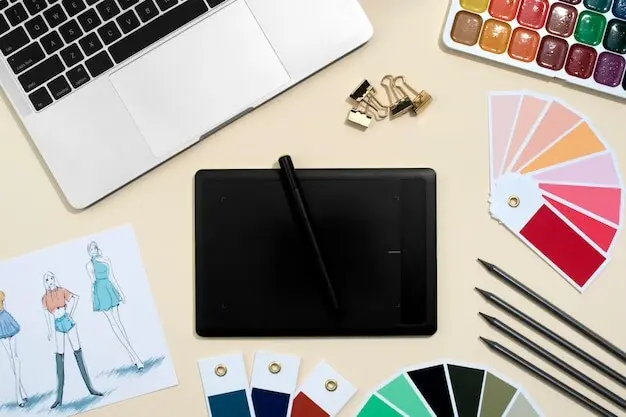
A tiny set of marks does most of the work: boxes to name things, arrows to show influence, lines to group, and highlights to emphasize. Mastering this grammar frees you from decoration. Clarity becomes automatic, and collaboration gets easier because structure emerges as you listen and draw.

Turn Meetings into Moving Pictures

Meetings gain momentum when conversations leave the air and land visibly on paper or screen. As participants witness ideas captured, energy shifts from abstract opinions to evidence and options. Disagreements surface sooner, silence shortens, and agreements become tangible as actions are placed clearly at the edge for quick review.

From Fuzzy to Focused in Five Frames

Frame the Constraints First

Draw a simple boundary box labeled time, budget, and capacity. Inside, place only what fits. This forcing function encourages trade-offs early, saving weeks of later edits. Teams appreciate the honesty, and decision-makers engage sooner because the visual makes scarcity visible, actionable, and surprisingly motivating.

Storyboard the Experience

Draw a simple boundary box labeled time, budget, and capacity. Inside, place only what fits. This forcing function encourages trade-offs early, saving weeks of later edits. Teams appreciate the honesty, and decision-makers engage sooner because the visual makes scarcity visible, actionable, and surprisingly motivating.

Decisions, Risks, and Trade-Offs

Draw a simple boundary box labeled time, budget, and capacity. Inside, place only what fits. This forcing function encourages trade-offs early, saving weeks of later edits. Teams appreciate the honesty, and decision-makers engage sooner because the visual makes scarcity visible, actionable, and surprisingly motivating.

Make It Stick, Share It Fast

Sketches only matter if they travel. Capture pages with consistent angles, title them clearly, and store in searchable folders. Share concise recaps and invite corrections. Over time, a reliable visual archive emerges, turning chaotic projects into navigable histories that guide onboarding, retrospectives, and next bold moves.

Photograph, Tag, and Retrieve

Use even lighting, fill the frame, and shoot perpendicular to avoid distortion. Rename files with date, project, and meeting outcome. Add two tags describing content. This disciplined flow makes retrieval instant, supports audits, and saves teammates from endlessly scrolling chat logs searching for that one diagram.

Build a Daily Drawing Habit

Set a recurring calendar nudge after lunch to sketch one process you touched today. Keep it under five minutes. Consistency compounds confidence, and a simple streak counter keeps you honest. After a month, your library proves progress and sparks teaching moments that elevate peers without fanfare.

Join the Conversation

We would love to see your quick maps, storyboards, and experiments. Post a snapshot, tag a colleague, and ask what you missed. Subscribe for fresh exercises, reply with obstacles you face, and suggest scenarios to cover next so we can build better visuals together, week by week.
Novinexodavo
Privacy Overview

This website uses cookies so that we can provide you with the best user experience possible. Cookie information is stored in your browser and performs functions such as recognising you when you return to our website and helping our team to understand which sections of the website you find most interesting and useful.